


How to Decompress or Expand Acoustic Foam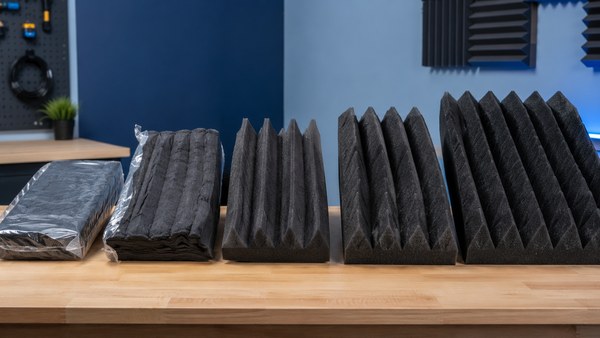
Acoustic foam is often delivered compressed to make packaging and transport easier. When it arrives, it may look thinner, flatter or more tightly packed than expected. This can worry customers, but in many cases the foam simply needs time to expand back towards its normal shape. At AnyFoam, we supply foam for many uses, including acoustic and sound management projects. If your acoustic foam has arrived compressed, do not panic. With a little patience and the right handling, it can usually recover well. What is acoustic foam?Acoustic foam is a specialist foam used to help improve the sound inside a room. It is commonly used in recording areas, podcasts, gaming rooms, home studios, offices and music practice rooms. Its job is to reduce echo and reflections inside the space, making speech or music sound clearer. It is important to remember that acoustic foam is not the same as full soundproofing. It helps manage sound within a room, but it does not usually stop all noise entering or leaving a space. For complete sound isolation, a more detailed soundproofing system may be needed. Why is acoustic foam compressed?Foam can take up a lot of space, especially when supplied in panels, tiles or wedges. Compressing the foam makes it easier and more affordable to deliver. It also helps protect the foam during transport. Once the packaging is opened, air begins to return to the foam cells and the foam starts to expand. Some foam expands quickly, while some takes longer. The recovery time can depend on the foam type, thickness, room temperature and how long it has been compressed. How to decompress acoustic foamStart by carefully opening the packaging. Avoid using a sharp knife too close to the foam, as you could cut into the panels. Remove the foam and lay the pieces flat on a clean, dry surface. Give each panel space so air can reach it. Leave the foam at room temperature. A warmer room can help the foam become more flexible, while a cold room may slow the process. Do not place the foam directly against a heater or open flame. Gentle room warmth is enough. Most compressed acoustic foam will begin to expand within a few hours. It may take 24 to 48 hours for it to settle properly. Thicker foam may take longer. During this time, avoid fixing it to the wall, as it may still be changing shape. Can you speed up the expansion?You can gently shake or separate the foam pieces to help air reach them, but do not pull aggressively. Some people use gentle hand pressure to help restore the shape. Pressing lightly and releasing can encourage the foam to open up, but avoid twisting or stretching the foam too hard. A light mist of water is sometimes mentioned online, but it is not always necessary and may not be suitable for every foam. If you do use moisture, use only a very small amount and allow the foam to dry fully before installation. When in doubt, speak to the supplier first. What if the foam still looks uneven?If the foam has been compressed for a long time, it may take longer to recover. Lay it flat and give it more time. Make sure the room is not too cold and that the panels are not stacked on top of each other. Minor shape differences can improve once the foam is installed and has had time to settle. However, if a panel is badly damaged, torn or permanently misshapen, contact the supplier for advice. When should you install acoustic foam?It is best to wait until the foam has expanded and looks close to its intended shape. This makes installation easier and helps you position the panels neatly. If you install them too early, the foam may continue to move slightly as it recovers. Before fixing panels to a wall, plan the layout. Acoustic foam works best when placed in the right areas, such as reflection points, corners or behind recording positions, depending on the room. Storing acoustic foamIf you are not using the foam straight away, store it flat or loosely stacked in a dry place. Avoid keeping it tightly compressed for long periods if possible. This helps the foam keep its shape and makes it easier to install later. Need acoustic foam cut to size?AnyFoam can supply foam for acoustic projects and cut foam to your requirements. If you need help choosing foam for a studio, office, music room or home setup, contact our team and we will be happy to guide you. |