
The Ultimate Guide to Extruded Polystyrene (XPS)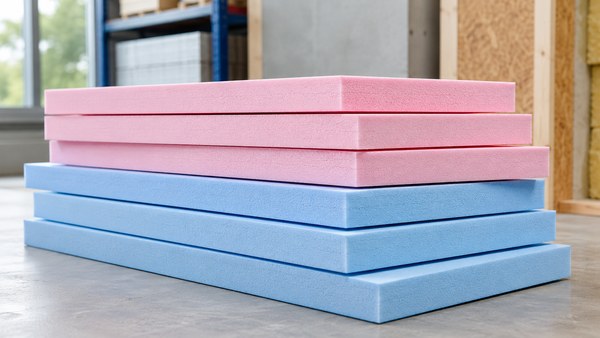
Extruded polystyrene, often shortened to XPS, is a rigid foam material widely used for insulation, model making, construction projects and protective applications. It is lightweight, firm and easy to cut, which makes it useful in many different industries. Although it is called foam, it is very different from the soft upholstery foams used in sofas and cushions. At AnyFoam, we supply many types of foam for different jobs. If you are considering XPS foam, it helps to understand what it is, how it is used and how it compares with other foam materials. What is extruded polystyrene?Extruded polystyrene is a closed-cell rigid foam board made from polystyrene. During manufacture, the material is extruded into boards with a smooth, consistent structure. The closed-cell nature of XPS gives it good resistance to moisture and useful thermal insulation properties. XPS is usually supplied as boards or sheets. It can be cut with suitable tools and shaped for different applications. Because it is rigid, it is not used for comfort seating, but it is very useful where structure, insulation and light weight are important. What is XPS foam used for?One of the best-known uses of XPS is building insulation. It can be used in walls, floors, roofs and other areas where thermal insulation is required. Its moisture resistance makes it suitable for certain construction environments, although the correct grade and installation method should always be chosen for the project. XPS is also used in model making, signage, craft projects, scenery, displays and prototypes. Because it is light and easy to shape, it is popular with designers, builders, hobbyists and set makers. In packaging, rigid foam boards can be used to protect items or create separators. However, for delicate goods, a softer packaging foam may sometimes be more suitable because it can cushion impact more effectively. XPS vs EPSExtruded polystyrene is often compared with expanded polystyrene, known as EPS. Both are polystyrene foams, but they are made differently and have different structures. EPS is made from expanded beads that are fused together. You may recognise it as the white lightweight foam used in packaging and insulation. XPS has a more uniform closed-cell structure and is often denser and smoother than EPS. In simple terms, EPS is usually more bead-like in appearance, while XPS is smoother and more consistent. XPS is often chosen where moisture resistance and compressive strength are important, while EPS can be a cost-effective option for many packaging and insulation uses. Benefits of XPS foamXPS is lightweight, which makes it easy to handle and transport. It offers good thermal insulation, helping reduce heat transfer. It is also relatively strong for its weight, which is useful in construction and display work. Its moisture resistance is another important benefit. Because it has a closed-cell structure, it does not take on water in the same way as some open-cell foams. This makes it useful in certain damp or exposed applications, although it should still be installed and protected correctly. Another advantage is that XPS can be cut and shaped. For model makers, designers and DIY users, this makes it a practical material for custom shapes. Possible limitationsXPS is not suitable for every job. It is rigid, so it will not provide the comfort of upholstery foam. It can also be damaged by certain solvents or adhesives, so the correct fixing products should be used. If the material is being used in a building, fire safety, regulations and installation guidance must be considered carefully. For specialist, commercial or regulated projects, it is always best to get project-specific advice before choosing a foam material. Cutting and working with XPSXPS can often be cut with a sharp knife, saw or hot wire cutter, depending on the finish required. Always work carefully and follow safe cutting practices. If a clean edge is important, take your time and use the right tool. When bonding XPS, check that the adhesive is compatible. Some adhesives can attack polystyrene, causing it to melt or weaken. Solvent-free adhesives are often used, but always check the product instructions first. Extruded polystyrene FAQsWhat do the colours of XPS foam mean?The colour of an XPS board generally indicates the manufacturer or brand rather than a level of performance. Different producers colour their boards for recognition, so two boards of different colours can have very similar properties. Always check the product datasheet for the actual specification rather than judging by colour. What is the lifespan of XPS foam?Correctly installed and protected, XPS is a long-lasting material. In building applications its service life is often quoted at around 50 years, as it resists moisture and keeps its structure well. Physical damage, prolonged UV exposure and incompatible adhesives or solvents are the main things that shorten its life. Is XPS foam waterproof?XPS is highly water resistant rather than fully waterproof. Its closed-cell structure means it absorbs very little moisture, which is why it suits damp environments better than open-cell foams. However, joints, edges and prolonged immersion can still allow moisture in, so it should be installed and protected according to the application. Is XPS right for your project?XPS can be a good choice if you need a rigid, lightweight, moisture-resistant insulation board or a material for shaping and display work. It is not the right choice for sofa cushions, mattresses or soft padding, where polyurethane or memory foam would normally be considered. AnyFoam can help with many types of foam and cut-to-size requirements. If you are unsure whether XPS, polyethylene, polyurethane or another foam is best for your project, contact our team and we will be happy to guide you. 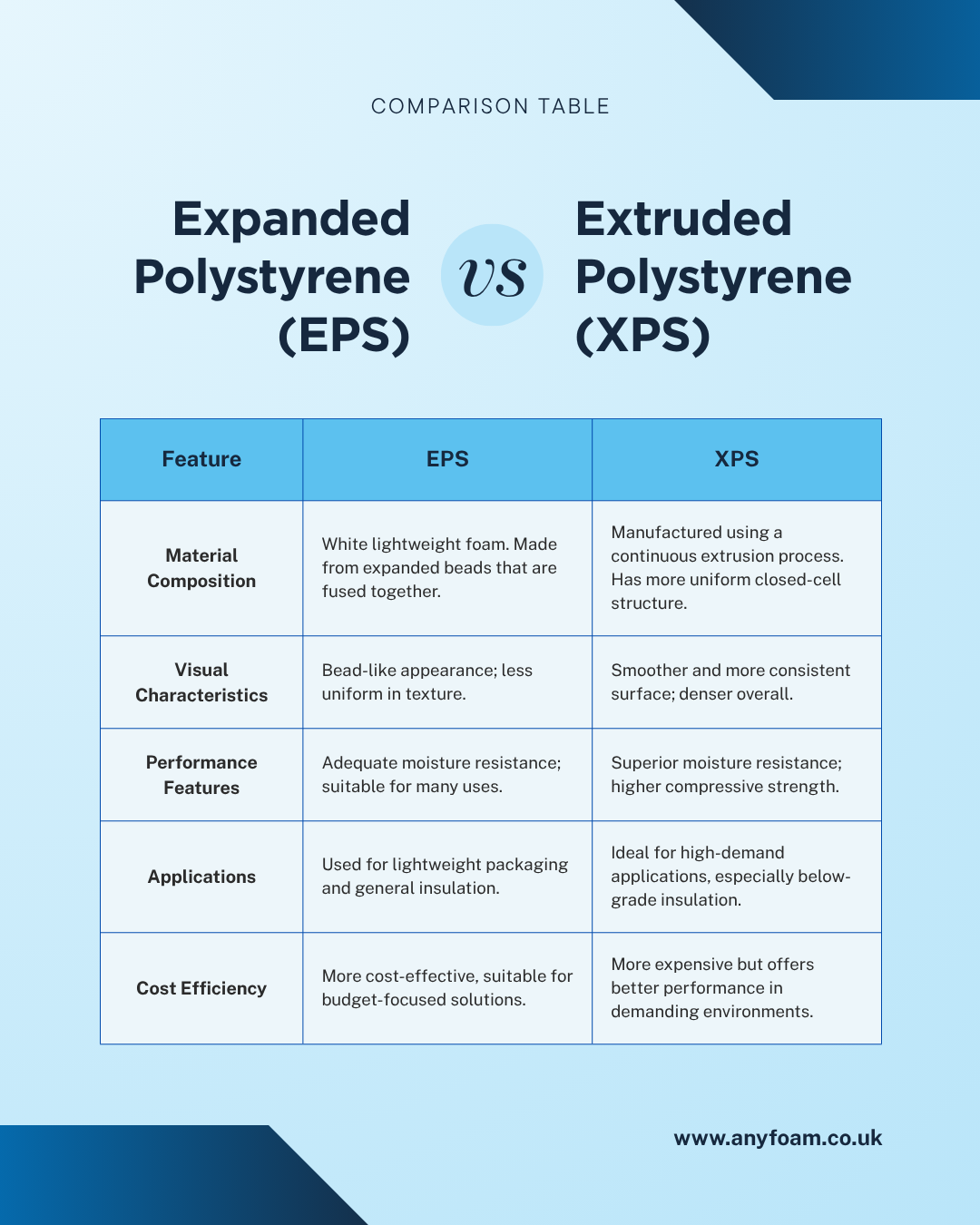
|