

A Starter's Guide to Furniture Foam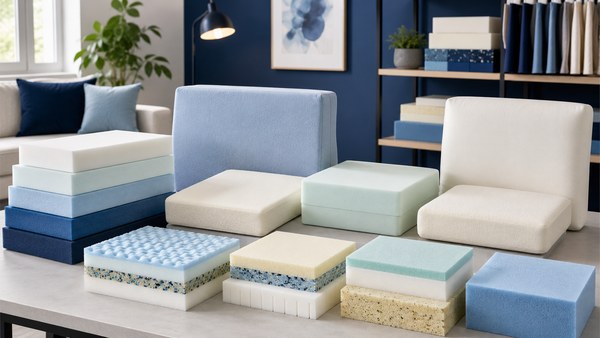
Furniture foam is something most of us use every day without thinking about it. It is inside sofas, armchairs, dining chairs, footstools, bench cushions, headboards and many other pieces of furniture. It adds comfort, support and shape, and it can make the difference between furniture that feels tired and furniture that feels inviting. If you are new to buying foam, it can seem a little confusing at first. There are different densities, grades, firmness levels and thicknesses, and not every foam is right for every job. Here at AnyFoam, we cut foam to size for many types of furniture, so let us take a simple look at what furniture foam is and how you can choose the right type. What is furniture foam used for?Furniture foam is mainly used to provide cushioning and support. In a sofa seat cushion, it helps you sit comfortably without sinking too far. In a back cushion, it provides softness and shape. In dining chairs and benches, it adds a padded layer so the seat is more comfortable to use for longer periods. It is also used in decorative furniture. A padded headboard, for example, may use foam underneath the fabric to give it a softer feel. Footstools and ottomans often use foam to create a smooth, comfortable top. Even some furniture arms and panels can include foam padding to improve comfort and appearance. What is furniture foam made of?Most furniture foam is made from polyurethane foam. This is a flexible foam that can be produced in different firmness levels. A soft foam may be used for back cushions, while a firmer or higher density foam may be better for seating. Higher density foams generally offer more resilience and can be better suited to areas that receive regular use. Memory foam can also be used in furniture, especially where extra pressure relief is wanted. It responds to body heat and weight, gently moulding to the user. However, it is often used as a comfort layer rather than the only foam inside a cushion, because it can feel quite different from standard upholstery foam. For heavier-duty furniture, reconstituted foam may be used. This is also known as chip foam or crumb foam. It is made from foam offcuts that are compacted and bonded together. It is strong, resilient and often used where durability is important, such as contract seating, gym mats and public seating. Indoor furniture foam and outdoor furniture foamIndoor furniture foam is usually designed for comfort, support and shape. It is suitable for sofas, chairs and cushions used inside the home. Outdoor furniture foam may need to cope with more moisture, changes in temperature and regular movement. Standard upholstery foam is not always suitable for outdoor use if it is going to be left in wet conditions. If you are making outdoor cushions, it is best to think about how and where they will be used. Cushions that are brought indoors after use may not need the same type of foam as cushions that stay outside. Covers also matter. A good cover can help protect the foam and extend the life of the cushion. Choosing the right foam for furnitureThe right foam depends on the purpose of the furniture. A sofa seat normally needs a foam that is supportive enough to hold its shape. A back cushion can often be softer. A dining chair pad may need a medium or firm foam, depending on the thickness available. A bench cushion may need a firmer grade if several people will sit on it. Thickness is also important. A very thin piece of soft foam may flatten quickly, while a thicker piece can provide more comfort. If you are replacing an existing cushion, remove the old foam from the cover and measure the width, length and depth. In many cases, adding a little extra to the depth can help the cushion fill the cover properly. Looking after furniture foamTo get the best from furniture foam, keep it dry and clean. Rotate cushions where possible, especially on sofas where one seat is used more than the others. If the cushion has a removable cover, remove it carefully and avoid pulling the foam too sharply. Stockinette and Dacron wrap can help the foam slide into the cover more easily and give the cushion a fuller look. When to replace furniture foamIf your furniture feels saggy, uneven or uncomfortable, the foam may be past its best. The covers may still look good, but the inside could be lacking support. Replacing the foam is often much cheaper than replacing the whole piece of furniture, and it can give your sofa or chair a new lease of life. At AnyFoam, we can cut furniture foam to the size and shape you need. Whether you are replacing sofa cushions, making a bench seat or padding a headboard, our team can help you choose a suitable option for your project. |