How to Use a Foam Roller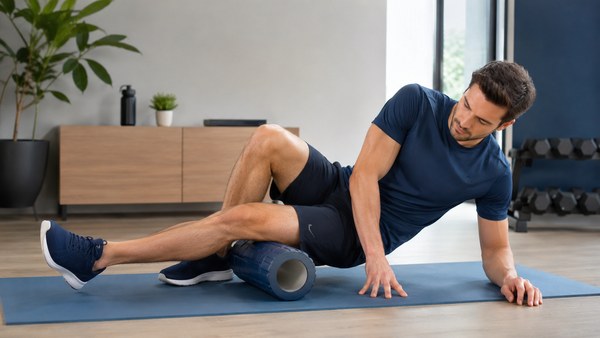
Foam rollers are popular in gyms, sports clubs, physiotherapy spaces and homes. They are simple tools, but they can be used in many ways. People often use them before or after exercise to help warm up, stretch, relax tight areas or support general mobility routines. At AnyFoam, we supply many foam products, including firm and resilient foams used in exercise, kneeling and support applications. If you are new to foam rolling, it is best to start gently and understand how to use the roller safely. What is a foam roller used for?A foam roller is a cylinder made from firm foam. It is placed on the floor and used with body weight to apply pressure to muscles. Many people use foam rollers on the calves, thighs, glutes, back and shoulders. They can also be used for balance, stretching and core exercises. Foam rolling is sometimes described as self-massage. The pressure from the roller can help you feel looser and more relaxed, although it should not be used as a replacement for medical advice if you have an injury or ongoing pain. What are foam rollers made of?Foam rollers are often made from closed-cell foams, EVA foam or firm polyethylene-type foams. These materials are strong, lightweight and able to keep their shape during repeated use. Some rollers are smooth, while others have textured surfaces designed to create different pressure levels. Softer rollers are often better for beginners. Firmer rollers can feel more intense and may be preferred by experienced users. Do foam rollers really work?Many people find foam rollers useful as part of a warm-up or recovery routine. They may help reduce feelings of tightness and improve short-term movement. However, results vary from person to person. Foam rolling should feel like firm pressure, not sharp pain. If you have a medical condition, recent injury, swelling, bruising or severe pain, it is best to speak to a healthcare professional before using a foam roller. When should you use a foam roller?A foam roller can be used before exercise as part of a warm-up, or after exercise as part of a cool-down routine. Before exercise, keep the rolling light and combine it with movement. After exercise, you may use slower rolling to relax tight areas. Some people also use a foam roller during the day if they have been sitting for long periods. Keep sessions short at first, especially if you are new to it. How to use a foam roller safelyStart by placing the foam roller on a flat surface. Position the part of your body you want to roll on top of it. Use your arms or legs to control how much weight you place on the roller. Move slowly back and forth over the area. Avoid rolling directly over joints, bones or the lower spine. Focus on larger muscle areas. If you find a tender spot, you can pause for a few seconds, but do not force pressure into sharp pain. Foam roller exercisesFor calves, sit on the floor with the roller under your lower leg. Use your hands to lift your hips slightly and roll from the ankle area towards the knee, avoiding the joint itself. For thighs, place the roller under the front or side of the thigh and use your arms to control the movement. Roll slowly and keep the pressure manageable. For the upper back, lie with the roller across your back and support your head with your hands. Roll gently over the upper back area, avoiding the neck and lower spine. For glutes, sit on the roller and cross one ankle over the opposite knee if comfortable. Roll slowly over the muscle area and keep movements controlled. Advantages and disadvantagesFoam rollers are affordable, lightweight and easy to store. They can be used at home and do not need complicated equipment. They are also useful for stretching and general exercise routines. The disadvantage is that they can feel uncomfortable if used too firmly. They are not suitable for every injury or condition, and poor technique can cause soreness. Start slowly and build up gradually. Choosing the right foam rollerBeginners may prefer a softer or medium roller. Experienced users may prefer a firmer roller or textured surface. The length also matters. A longer roller can be useful for back work and balance exercises, while a shorter roller is easier to store and carry. Need foam for exercise or support products?Foam rollers are simple but useful tools when used sensibly. If you need foam for exercise mats, kneeling pads, supports or custom fitness projects, AnyFoam can help supply foam cut to size. Contact our team and let us know what you need. |