
How to Install Acoustic Foam Without Damaging the Walls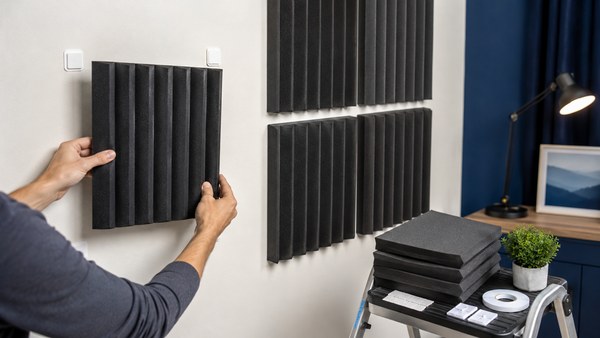
Acoustic foam can make a room sound better, but many people worry about putting it on the wall. If you are renting, decorating a home studio or working in an office, you may not want permanent marks, torn paint or holes left behind. The good news is that there are several ways to install acoustic foam more carefully. At AnyFoam, we supply foam for a wide range of projects, including acoustic foam and cut-to-size panels. Before you start sticking anything to the wall, it is worth planning the layout and choosing a fixing method that suits your room. What is acoustic foam?Acoustic foam is designed to absorb sound reflections inside a room. It can help reduce echo, flutter and harsh reflections, which is why it is popular in recording rooms, podcasts, gaming spaces, music practice rooms and offices. It is not the same as complete soundproofing. Acoustic foam improves the sound quality inside the room, but it will not usually stop all outside noise or prevent sound leaving the room. For full soundproofing, you would normally need a more complete system involving mass, sealing and isolation. Plan before you installBefore fixing acoustic foam, decide where it will be most useful. Many people start by placing panels at the first reflection points, behind speakers, behind a microphone or on areas where sound bounces strongly. You do not always need to cover every wall. In fact, placing foam carefully can often look better and work more effectively than covering the whole room. Lay the panels on the floor first and check the pattern. This helps you avoid uneven gaps and makes the finished wall look much neater. Use removable adhesive stripsRemovable adhesive strips can be a good option if you want to avoid holes. They are designed to come away from the wall more cleanly than permanent glue. However, results can depend on the wall paint, surface condition, foam weight and room temperature. To use them, attach the strips to the back of the foam or to a light backing board. Press firmly and follow the instructions from the strip manufacturer. Do not overload the strips, and always test one small area first. Mount foam onto card or backing boardsOne of the best ways to reduce wall damage is to attach the acoustic foam to a lightweight backing board first. This might be card, foam board, thin MDF or another suitable panel. You can then hang the board using removable strips, picture hooks or a small number of fixings. This method has two advantages. It protects the foam from being pulled apart when removed, and it reduces the number of fixing points on the wall. It also makes it easier to move panels around if you change the room layout later. Try freestanding acoustic panelsIf you really do not want to touch the walls, freestanding panels are worth considering. Foam can be attached to boards or frames that stand behind a desk, near a microphone or in a corner. This is useful for rented rooms, temporary studios and offices where permanent installation is not allowed. Freestanding panels can also be moved from room to room, making them a flexible option for people who record in different spaces. Avoid strong permanent glue unless neededSpray adhesive and strong contact adhesives can hold foam very well, but they can also damage paint, plaster or wallpaper when removed. They may be suitable for permanent installations, but they are not usually the best choice if you want to keep the wall looking untouched. If you do use adhesive, make sure it is suitable for foam and for the surface you are fixing it to. Some adhesives may react with certain foam types, so always check first. Prepare the wall surfaceA dusty or greasy wall will stop fixings from working properly. Wipe the area with a clean dry cloth before installation. Avoid attaching foam to flaky paint, loose wallpaper or damp walls. If the surface is not sound, even a removable strip may pull paint away. When removing the foam, take your time. Pull strips slowly in the direction recommended by the manufacturer. Do not yank the foam from the wall, as this can damage both the foam and the surface. Buy acoustic foam from AnyFoamAcoustic foam can improve the sound of a room without needing a messy installation. With removable strips, backing boards or freestanding panels, you can create a tidy setup that is much easier to remove later. If you need acoustic foam cut to size for a studio, office or home project, contact us and we will be happy to help. |