


How to Repair your Motorcycle Seat Foam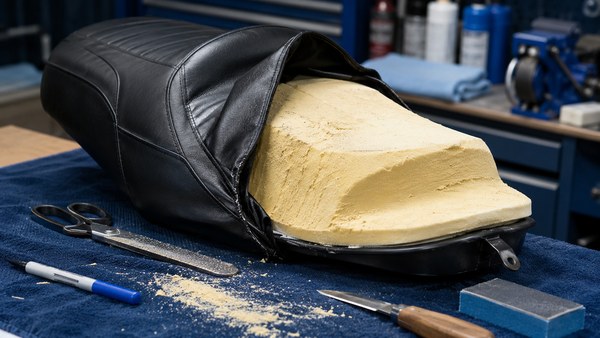
A motorcycle seat has a tough job. It needs to support the rider, cope with vibration, handle changes in weather and keep its shape over time. When the seat foam starts to break down, the ride can feel uncomfortable very quickly. You may notice hard spots, dips, cracking, uneven padding or a seat that no longer gives enough support. Replacing or repairing motorcycle seat foam can make a big difference, and in many cases it is more affordable than buying a completely new seat. At AnyFoam, we supply foam cut to size for many seating projects, including vehicle, motorbike and custom upholstery jobs. What is motorcycle seat foam made of?Motorcycle seats can use different types of foam depending on the seat design and riding style. Many seats use polyurethane foam because it is flexible, supportive and can be shaped. Some use firmer foams or layers of different materials to create comfort and durability. For seats that need to hold their shape for longer, reconstituted chip foam or closed-cell foam may sometimes be used as part of the design. Memory foam can also be added as a comfort layer, although it may not be suitable as the only foam in every motorcycle seat. When does motorcycle seat foam need repairing?There are several signs that seat foam may need attention. If the seat feels uneven, if you sink into one area more than another, or if you can feel the seat base underneath, the foam may have softened or collapsed. Cracks, crumbling foam or water damage are also warning signs. A damaged cover can allow water into the foam, which may make the problem worse. If you are repairing the foam, it is worth checking the cover at the same time. Remove the seat and inspect the foamStart by removing the motorcycle seat from the bike. Then remove the cover carefully. It is usually fixed with staples underneath the seat base. Take your time so you do not damage the cover if you plan to reuse it. Once the foam is visible, inspect it closely. Look for low areas, torn sections, crumbly edges and damp patches. If only a small area is damaged, a repair may be possible. If the whole foam base has collapsed, replacing the foam may be the better option. Repairing small damaged areasSmall holes or dips can sometimes be filled with a suitable piece of foam. Cut the damaged section neatly, then cut a replacement piece to fit. A foam adhesive may be used to bond the new section into place. Once dry, the repair can be shaped with a sharp knife or sanding tool so it blends with the rest of the seat. Work slowly and remove small amounts at a time. It is easier to take more foam away than to put it back. Aim for a smooth shape that will feel even once the cover is back on. Adding a comfort layerIf the seat is basically sound but feels too firm or uncomfortable, adding a thin comfort layer may help. Memory foam or a softer upholstery foam can be added on top of the existing seat foam. This can improve the feel without changing the whole seat structure. However, do not add too much thickness without checking how the cover will fit. If the foam becomes too bulky, the cover may be difficult to refit or may pull too tightly. Choosing replacement motorcycle seat foamThe best foam depends on the bike, the rider and the type of journey. A seat used for short trips may not need the same foam as one used for long-distance touring. Firm support is important, but the seat also needs enough cushioning to reduce discomfort. If the bike is used outdoors, think carefully about moisture. A good seat cover is essential. The foam itself should be protected from water where possible, as trapped moisture can reduce comfort and lifespan. Refitting the coverOnce the foam is repaired or replaced, place the cover back over the seat. Pull it evenly so there are no wrinkles, then fix it underneath with staples. Work from the centre outwards and check the top regularly. If the cover is old, cracked or stretched, replacing it may give a better finish. Order motorbike seat foam from AnyFoamRepairing motorcycle seat foam is a practical way to improve comfort and extend the life of your seat. Whether you need a small piece for repair, a new foam base or a comfort layer cut to size, AnyFoam can help. Tell us the seat size, thickness and how the bike is used, and our team will guide you towards a suitable foam option. |