An Ultimate Guide to Waterproof Foam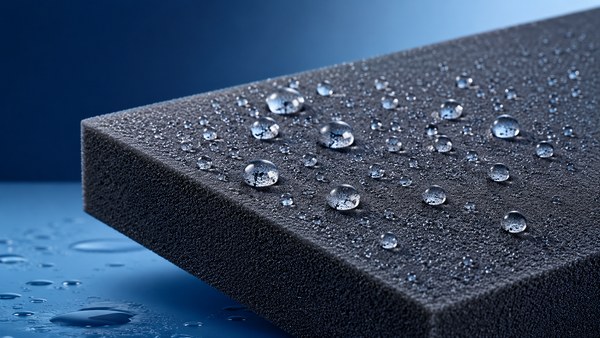
Waterproof foam is a term many customers use when they need foam that will not soak up water like a sponge. It is often needed for boats, garden cushions, protective packaging, kneeling pads, camping equipment, sports products and many other jobs where moisture may be present. However, it is important to understand that not every foam is waterproof, and not every water-resistant foam is right for every project. At AnyFoam, we can cut a wide range of foam products to size. If you need foam for a damp or wet environment, choosing the right material from the start can save time, money and frustration. Understanding waterproof foamMost waterproof or highly water-resistant foams are closed-cell foams. This means the foam is made up of tiny cells that are sealed from one another. Because these cells are closed, water and air cannot pass through in the same way as they can with open-cell foam. This makes closed-cell foam much more suitable for wet areas. Open-cell foam, such as many standard upholstery foams, is more like a sponge. It can absorb water, which means it may become heavy, slow to dry and unsuitable for certain uses. That does not make open-cell foam a bad product. It simply means it is designed for different jobs, such as seating, cushions and comfort applications where it is kept dry. Common types of waterproof foamPolyethylene foam is one of the most common closed-cell foams. It is lightweight, firm, durable and moisture resistant. You will often see it used in packaging, boat projects, kneeling pads, sports products and protective inserts. It can be supplied in different thicknesses and densities, depending on the application. EVA foam is another closed-cell material that is often used where flexibility, toughness and water resistance are needed. It is popular for mats, craft projects, sports items and footwear components. Neoprene foam rubber can also be used where water resistance and flexibility are important. For some projects, a specialist grade may be required. This is especially true if the foam needs to be fire retardant, anti-static, chemically resistant or used in a commercial environment. In those cases, it is always best to speak with a supplier before ordering. What is waterproof foam used for?Waterproof foam is used in many everyday applications. In marine projects, it may be used for boat seating, buoyancy aids, padding or insulation. Around the home, it can be used for kneeling pads, garden projects, protective mats and DIY jobs. In packaging, closed-cell foam can protect items from knocks while also providing a barrier against moisture. It can also be used for camping, caravans and outdoor hobbies. Because it is usually lightweight and easy to cut, it is useful for many custom projects. If you have an awkward space to fill, foam cut to size can help you get a neat fit. Key properties of waterproof foamThe main benefit is moisture resistance. Closed-cell foam does not absorb water in the same way as open-cell foam. It is also often easy to wipe clean, which makes it useful in practical environments. Another benefit is durability. Many closed-cell foams are firm and resistant to everyday wear and tear. They can help cushion items, reduce vibration and protect surfaces. They are also lightweight, which makes them easier to move and handle. Thermal insulation is another useful feature. Closed-cell foams can help reduce heat transfer, which is why they are often used in insulation projects. This can be particularly helpful in campervans, boats and other areas where comfort and temperature control matter. Potential drawbacksWaterproof foam is not always the softest choice. If you want a very comfortable sofa cushion, a closed-cell foam may feel too firm. It is often better for protective, outdoor or practical uses rather than soft seating, unless the grade has been chosen carefully. It is also important to think about covers and fixings. Even if the foam itself resists moisture, the fabric cover, seams or adhesive may not. For outdoor cushions, the whole design should be considered, not just the foam inside. How to choose the right waterproof foamStart by asking where the foam will be used. Will it be indoors or outdoors? Will it be exposed to rain or only occasional dampness? Does it need to support weight, protect an item or provide comfort? Does it need to be cut into a special shape? Once you know the purpose, it becomes much easier to choose the right material. AnyFoam can help with closed-cell foam, polyethylene foam and other cut-to-size options. Tell our team what the foam is for, and we will help guide you towards a suitable choice for your project. |